Guide

Conference Photography Checklist: What to Brief Your Photographer

The best conference photos are planned weeks ahead. Here's the checklist we go through with organisers, starting with the shot list and finishing with how the photos reach you.

Published 28 October 2026

01

Why the Brief Matters More Than the Camera

When a conference gallery disappoints, the photographer is rarely the problem. More often, nobody told them the CEO’s keynote had moved to 9:15. Or that the headline sponsor wanted their stand photographed. Or that the group photo needed to happen before half the room headed off for their trains. Even the best conference photographer can’t shoot what they don’t know about.

So here’s what we ask every organiser for, roughly in the order we need it. You’re welcome to use it whether you book us or someone else.

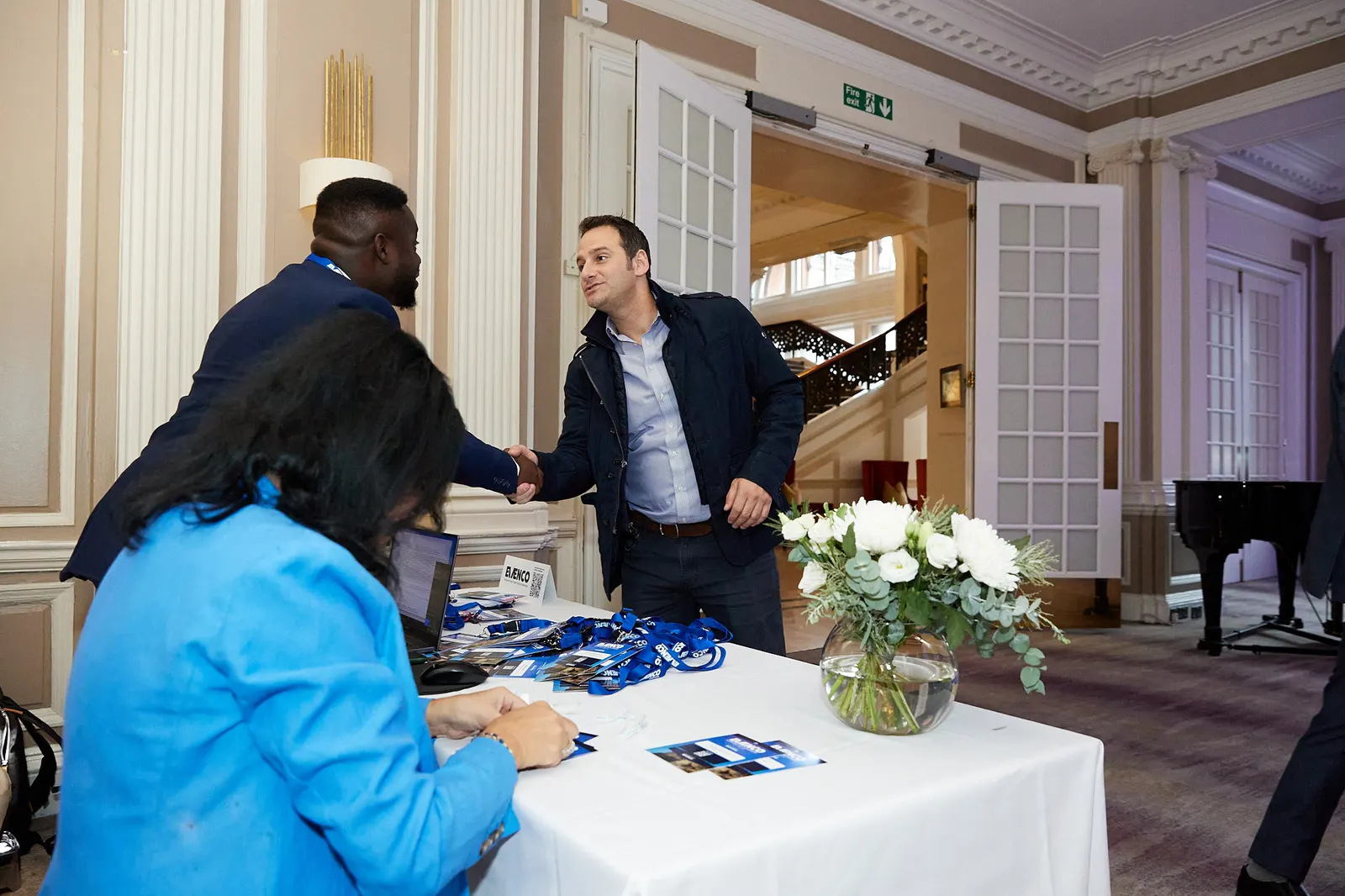
Delegate welcomed at the registration desk of an Edinburgh fund forum
02

Two to Four Weeks Before: The Brief

What the photos are for. Is it next year’s marketing, sponsor reporting, internal comms or press? It makes a real difference to what we focus on. If sponsors need reports, we’ll get their logos into shot wherever we can. If it’s for next year’s marketing, we’re after packed rooms and people who look interested.

The running order. A draft is fine. It lets us work out where we need to be for each session, and we can flag clashes early, like a keynote starting at the same moment as a VIP lunch in another room.

Delegate numbers and room layout. We’d shoot 400 people in theatre-style rows quite differently from 120 at cabaret rounds. The numbers also tell us whether one photographer will cover it or whether you’ll want a second for the breakout tracks. Our guide to conference photographer costs in London explains how that feeds into the quote.

When you need the photos. Is the next morning fine, or do you want speaker shots going out live during the day? Let us know when you book, as live delivery takes extra setting up. There’s more on the options in our guide to live conference photo delivery.

Speaker presenting a project slide to delegates at a research workshop
03

The Shot List

This is the heart of the brief. A solid conference shot list usually includes:

  1. Every speaker on stage. Flag anyone who really matters, whether that’s the keynote, a client or a sponsor.
  2. Panels, shot together and as individual speakers.
  3. The whole room, with wide shots from the back and the side so people can see how big the audience was.
  4. Audience reactions, such as people scribbling notes, laughing or putting their hand up for a question.
  5. Branding, including the stage set, lectern, banners, sponsor stands and any branded catering.
  6. Registration and arrivals, since that’s the first impression people get of the event.
  7. Networking over coffee, at lunch and during the drinks reception.
  8. Awards or presentations, with winners’ and presenters’ names listed in running order.
  9. The group photo. Tell us when, where and who, and try to fit it in early in the day.
  10. Named VIPs and sponsors. Send a list with a photo or LinkedIn profile for each person so we can find them in a crowd.

Offering delegate headshots as well? Add the headshot station’s location and opening hours. Our conference headshots guide has tips on timing it so the main room doesn’t empty out.

Conference delegates gathered for a group photograph at the University of Birmingham
04

Venue and Logistics

Some small practical things make a big difference to the pictures.

  • Stage lighting. Ask your AV company to make sure speakers’ faces are lit as well as the screen. A properly lit lectern does more for stage photos than anything else.
  • Access. Will the photographer be able to move down the side aisles and get to the front during sessions? And is there somewhere at the back that’s level with the stage?
  • Someone to ask on the day. Ideally one person who knows the schedule and can point out who’s who from the VIP list.
  • Space to work. A corner with a plug socket for backing up memory cards. If you’ve booked live delivery, we’ll need decent Wi-Fi too.
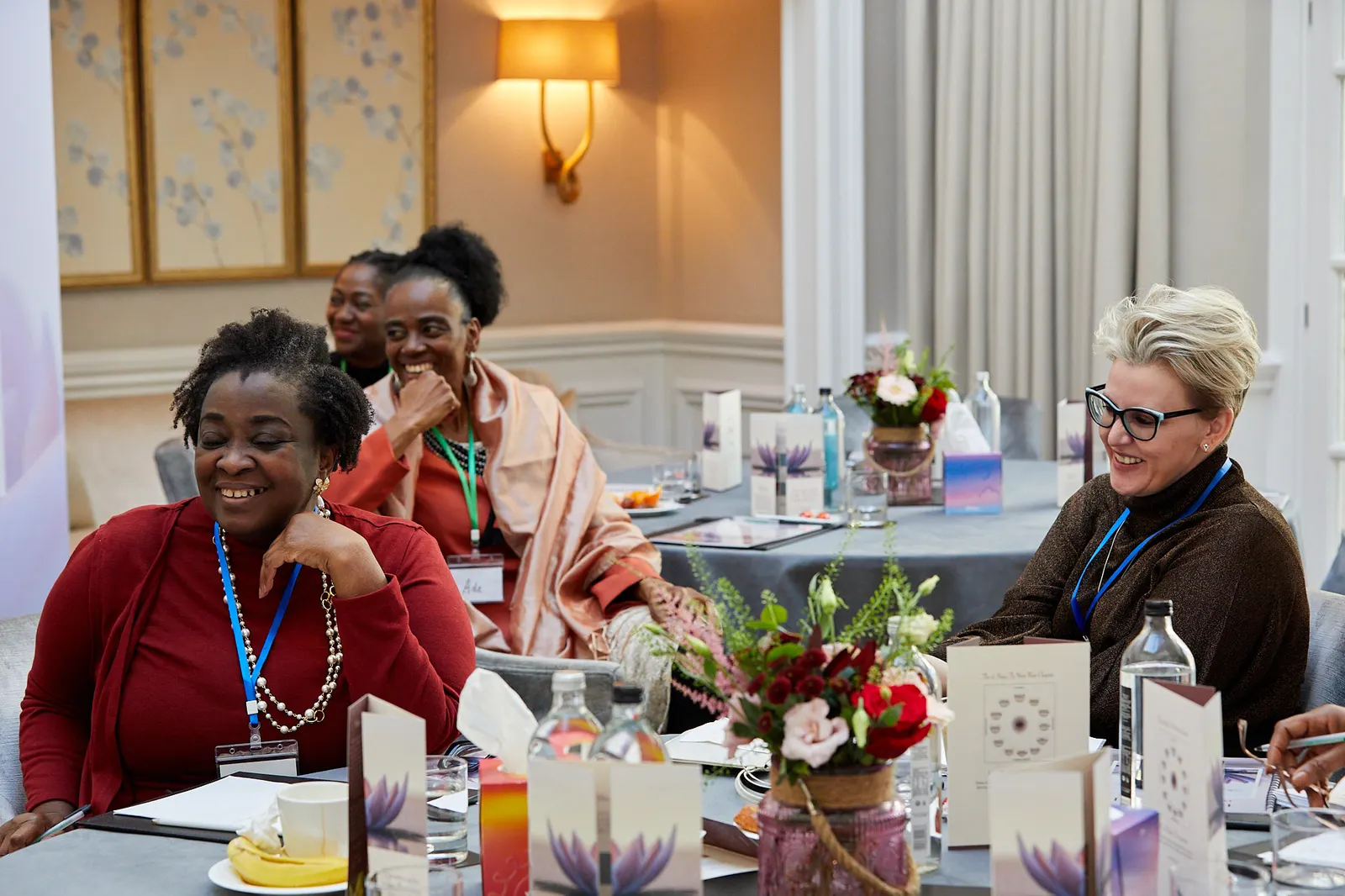
Delegates sharing a laugh around a table at a corporate away day in a hotel venue
05

Consent and Privacy

Delegates should know there’ll be photography before they turn up. Mention it in the registration confirmation, put signs up at the entrance and give people a simple way to opt out (a different coloured lanyard works well). For your privacy notice, check the ICO’s UK GDPR guidance. And if you’re using a face-search gallery, it should be opt-in. Our live delivery guide explains how we handle that.

Wide shot of a branded conference stage set up ahead of a keynote session
06

On the Day and After

Send final timings the day before, and have a printed running order ready for the photographer when they arrive. Once it’s all over, decide who gets the gallery, who signs off photos of named VIPs and when sponsors receive their picks.

We’ll get your edited gallery to you within 24 hours, along with a shortlist of hero shots for your marketing team. If you’d like to see how that plays out at real events, have a look at our corporate photography case studies. Or get in touch with your date and venue, and we’ll send you a fixed quote for your conference photography.

FAQ

Common questions

What should a conference photography shot list include?+

Start with every speaker on stage and the whole room, shot from the back and from the side. Then add panels (as a group and one by one), sponsor branding, registration and arrivals, networking candids, any awards or presentations and the group photo if you're having one. If there are VIPs or sponsors you need on file, list them by name with a photo or LinkedIn link so the photographer can spot them.

How far in advance should we brief the photographer?+

Send over the running order and shot list at least a week ahead, then confirm final timings the day before. For bigger conferences with breakout rooms, it's worth having a quick call two or three weeks out.

Should the photographer attend the venue walk-through?+

For a complicated venue it helps, but you can usually manage without it. A floor plan, a few photos of the stage set and the AV company's lighting plan normally tell us all we need, and even more so if we've worked at the venue before.

Do we need delegate consent for conference photography?+

Let delegates know there'll be a photographer and how you plan to use the images. Most organisers do this in the registration confirmation and with signs at the venue. Make it easy for people to opt out, too. For your privacy notice, the ICO's UK GDPR guidance is the place to check.

Ready when you are

Let's make your next
event unforgettable

Tell us about your event and get a free, no-obligation quote within 24 hours.

Get a free quote 5.0 from 17 reviews on Google